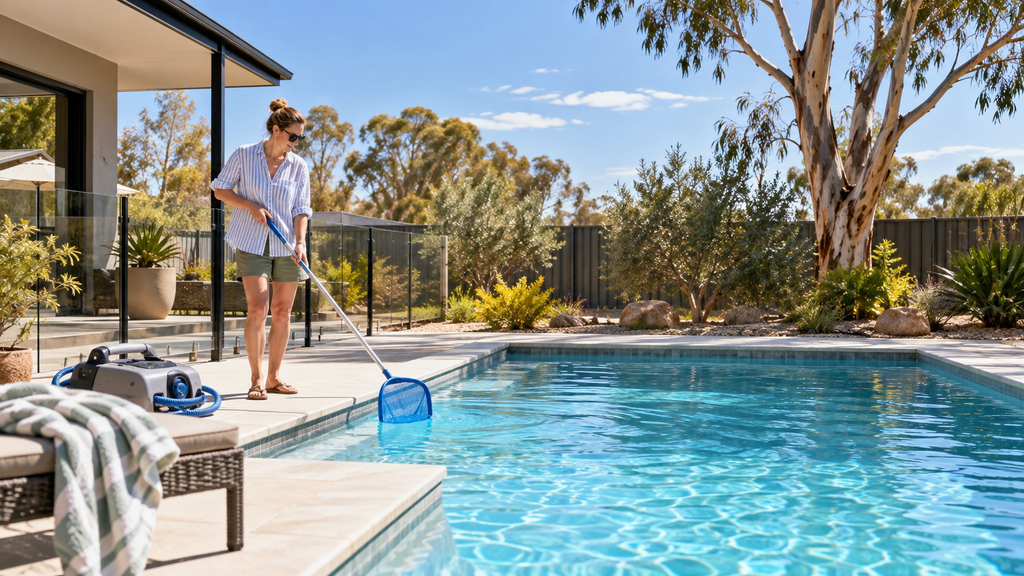
How to Open Your Pool for Spring: A Complete Guide for the Swim Season
As the weather warms up across Mildura and Sunraysia, it’s a good time to get the pool ready before regular swimming begins.
If your pool has been covered, used less often or had minimal attention through winter, don’t wait until the first hot weekend to check it.
At Cookes, we recommend working through the pool in a simple order: inspect it, clean it, check the equipment, test the water and then treat what actually needs attention.
Why open your pool early?
Starting early gives you time to find problems before you want to swim.
A pump that won’t prime, poor filtration, a low water level or algae can all take time to sort out.
Getting the pool running properly in spring also puts you in a better position as warmer weather, stronger sunlight, evaporation and more frequent swimming start placing greater demand on the water and equipment.
Before you remove the pool cover
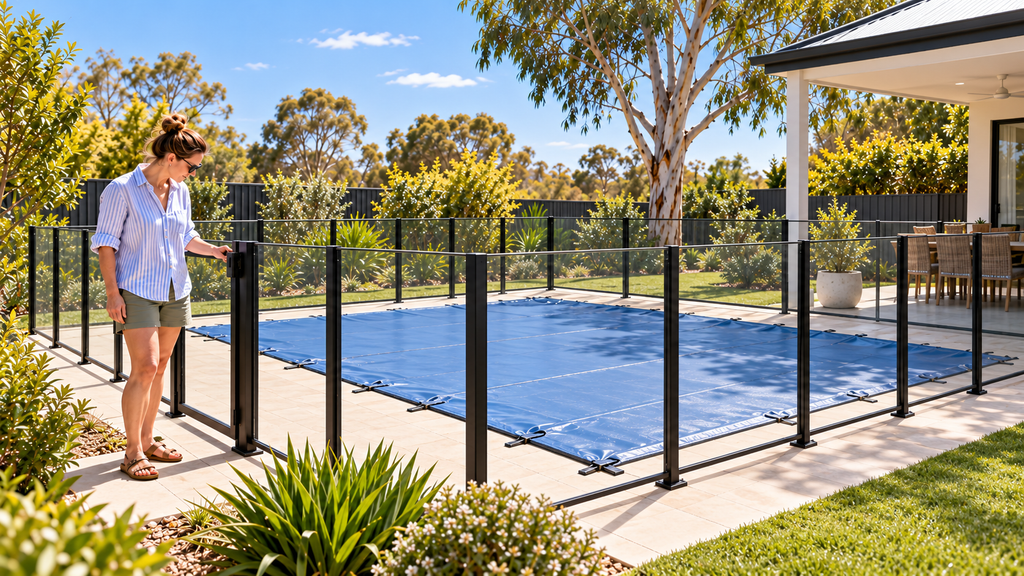
Remove any leaves, dirt or water sitting on top of the cover first so it doesn’t end up in the pool.
While you’re there, check the pool area too.
Make sure gates and latches are working properly, the barrier hasn’t been damaged and furniture, pots or other objects haven’t been moved into positions that could create a safety issue.
Pool and spa safety requirements differ between Victoria and NSW, so owners should check the current requirements for their state and local council.
Remove and check the pool cover
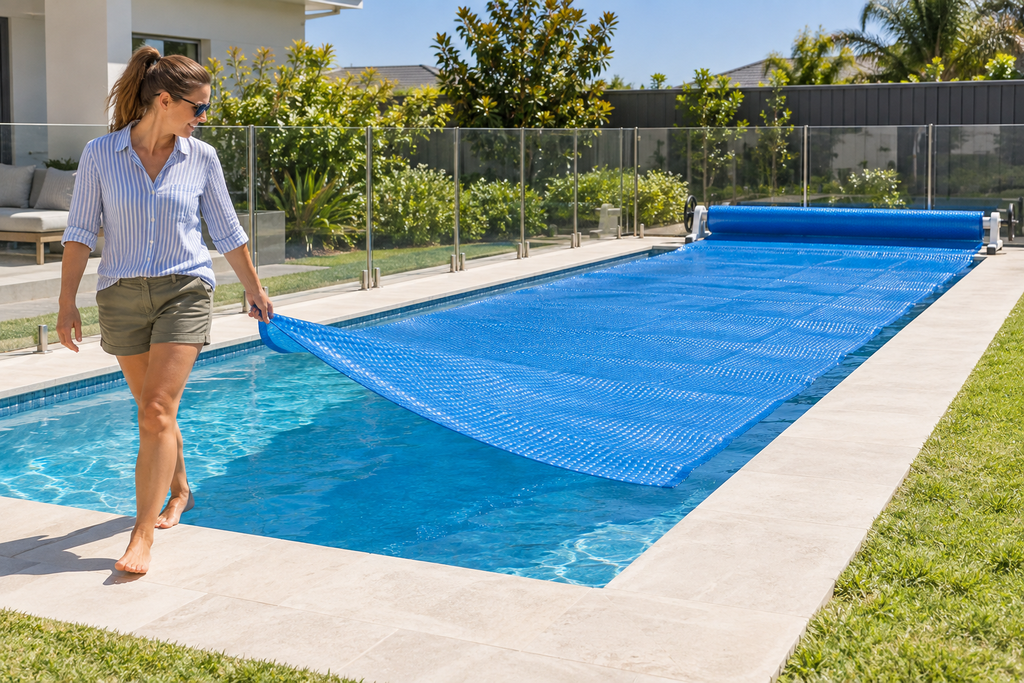
Once the cover is off, clean it if needed and check it for wear or damage.
What happens next depends on the type of cover you have. Many solar or bubble-style covers are used throughout spring and summer to help retain warmth, reduce evaporation and keep debris out.
If you use a roller, operate and store the cover according to the manufacturer’s instructions and protect it when it is off the pool.
Always remove the cover before swimming.
Inspect the pool before you start cleaning
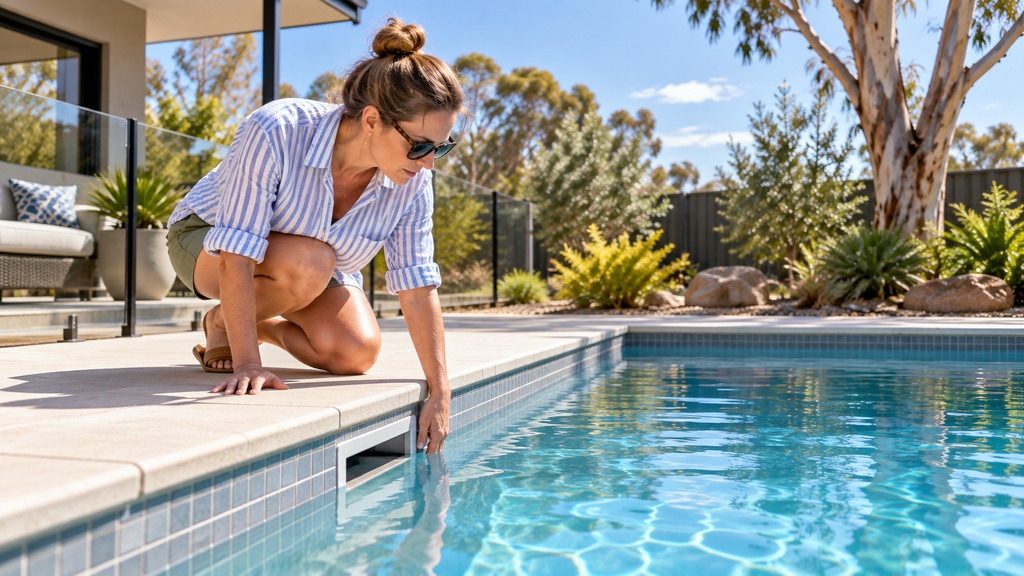
Before you start cleaning, look around the pool for anything unusual.
Check for:
- Cracks or visible damage
- Loose fittings
- Damaged tiles or coping
- Algae or staining
- Leaks around equipment or pipework
- Unusual water loss
Some water loss from evaporation is normal, particularly as the weather warms. If you are constantly topping the pool up or the level is dropping much faster than usual, it is worth investigating.
Check the water level
Make sure there is enough water in the pool before running the pump.
For many skimmer pools, the normal operating level is around the middle of the skimmer opening, although your pool or equipment may have different requirements.
If the level is too low, the skimmer can draw air into the system. Avoid overfilling unnecessarily too.
Give the pool a proper clean
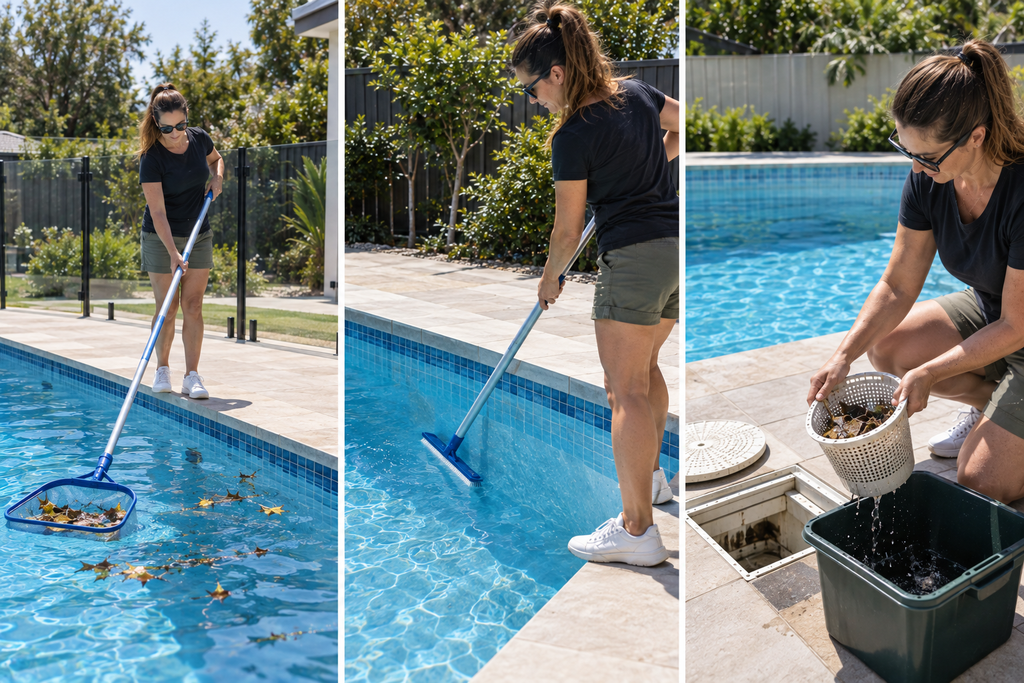
Start by removing larger leaves and debris with a leaf scoop.
Then:
- Brush the walls, steps and floor
- Empty the skimmer basket
- Empty the pump basket
- Vacuum the pool or run your cleaner as appropriate
- Clean debris from the pool surrounds
If there is a heavy layer of dirt or algae on the bottom, the best cleaning method will depend on the pool and filtration system.
Check the pump and filtration system
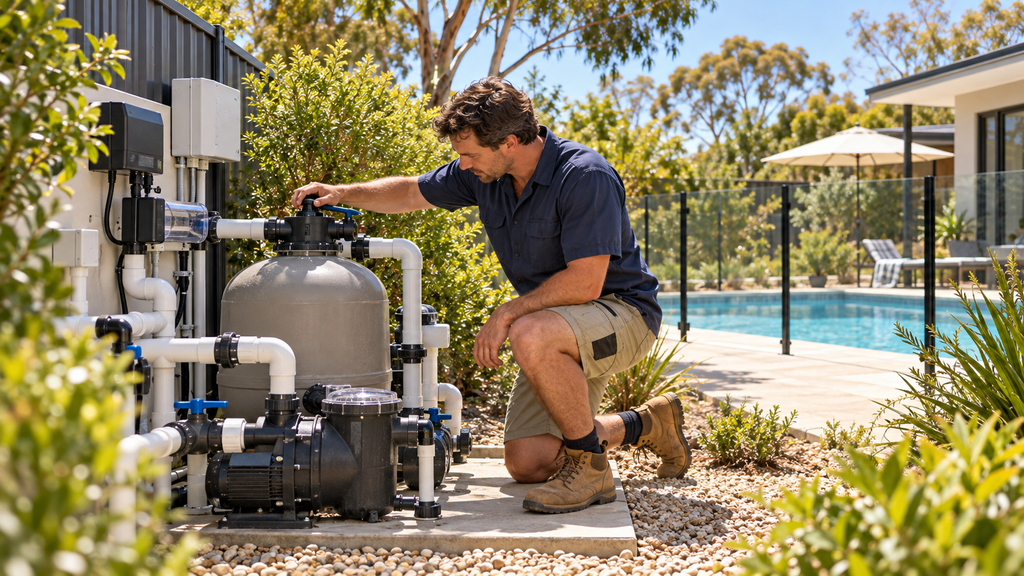
Your circulation and filtration system needs to be working properly before you concentrate on water chemistry.
Check the pump for leaks, unusual noise and normal priming.
Check the filter and clean or backwash it as required for your particular system.
Also look at:
- Skimmer and pump baskets
- Return jets
- Valves and visible plumbing
- Chlorinator
- Pool cleaner
- Heater or heat pump, if fitted
Weak water flow, air in the system, equipment leaks or a pump that won’t prime are signs that something needs further attention.
Electrical, gas and more involved equipment repairs should be left to appropriately qualified professionals.
Test the water before adding chemicals
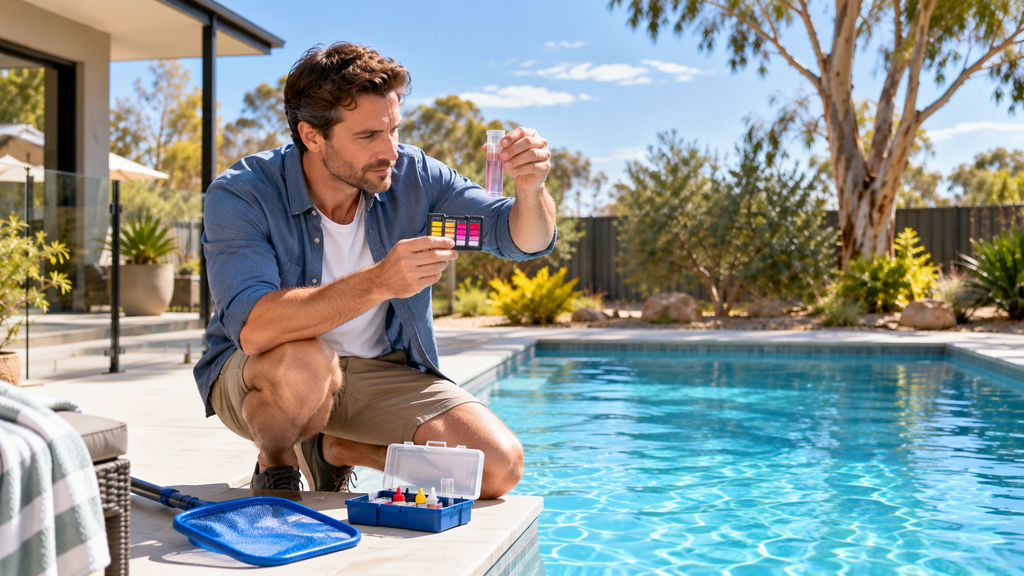
This is one of the most important steps.
Test first. Treat second.
Clear water does not automatically mean correctly balanced or sanitised water.
A good spring water test may include:
- pH
- Sanitiser
- Total alkalinity
- Calcium hardness, where relevant
- Salt, for saltwater pools
- Stabiliser, where relevant
The results tell you what the pool actually needs rather than relying on guesswork.
Saltwater pools still rely on chlorine for sanitisation. The chlorinator uses salt in the water to generate chlorine, and the required salt level depends on the equipment being used.
Treat according to the results
There is no single spring chemical treatment that suits every pool.
What you need depends on the pool volume, water-test results, sanitiser system, pool surface, equipment and the products being used.
Always follow the directions on the product label.
Never mix pool chemicals together, and store them safely away from children and pets.
If you’re unsure what the test results mean, bring a water sample into Cookes and we can help you work out the next step.
What if the pool is green or cloudy?
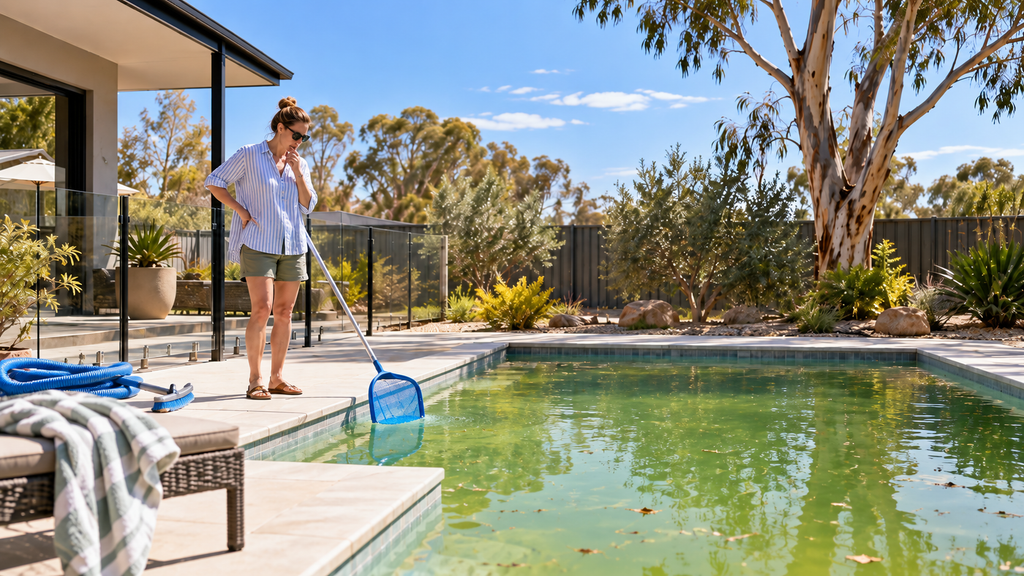
Start with the basics.
Remove debris, brush the pool, check that the pump and filter are operating properly and test the water.
Green or cloudy water can involve a combination of algae, poor filtration, inadequate sanitisation or water-balance problems.
Treatment should be based on the actual test results rather than simply adding more chemicals.
If the pool is heavily affected or isn’t responding to normal treatment, it may be worth getting professional help.
How long should you run the pool before swimming?
There isn’t one waiting time that applies to every pool.
It depends on the starting condition of the water, the treatment used and how well the filtration system is working.
Allow the water to circulate properly, follow the directions for any treatment you’ve added and test the water again before swimming.
Don’t rely on appearance alone.
Common spring pool-opening mistakes we see
A few things are worth avoiding:
Attempting electrical, gas or complex repairs yourself
Adding chemicals before testing
Assuming clear water is automatically safe
Ignoring poor circulation or a dirty filter
Running the pump with the water level too low
Ignoring ongoing water loss
Using the same chemical quantities every year without testing
When should you call Cookes?

Some pools only need a clean and a water test. Others need a bit more attention.
Speak with us if you are dealing with:
- A pump that won’t prime
- Poor circulation
- Filter or chlorinator problems
- Green or persistently cloudy water
- Leaks or unusual water loss
- Equipment faults
- Water chemistry you can’t get under control
We can also help if you’re a new pool owner and simply want some guidance before the swimming season starts.al services, green-pool recovery, water testing and balancing, equipment checks and equipment repairs.
Keep it simple once the pool is open
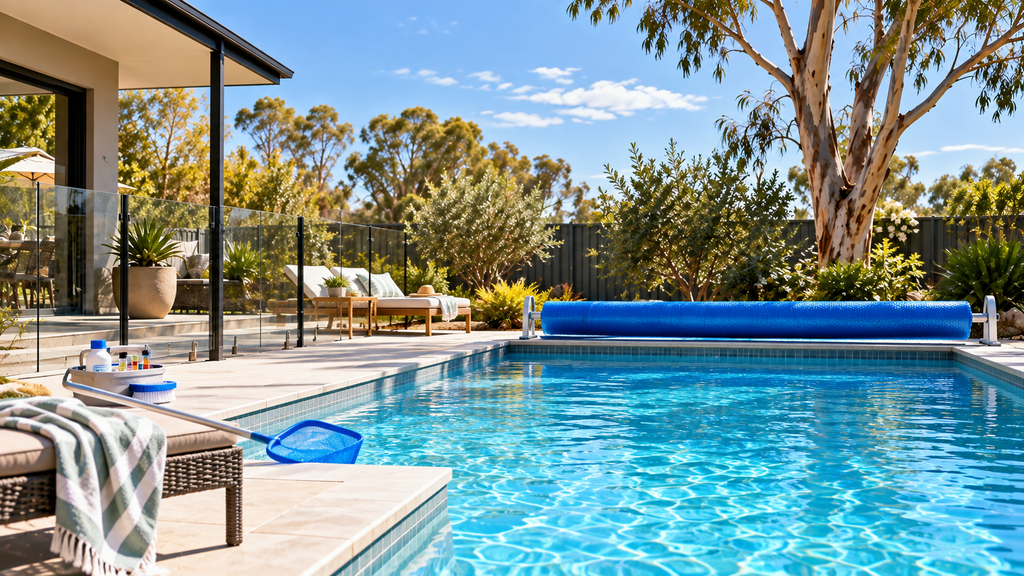
Once the pool is ready, regular small jobs are much easier than trying to recover it after several weeks of neglect.
Keep checking the water, baskets, filter, circulation and water level as the weather warms and pool use increases.
A correctly used pool cover can also help reduce evaporation, retain warmth and keep debris out between swims.
Ready for the warmer weather?
Opening your pool for spring is really about getting the basics right.
Inspect it. Clean it. Check the equipment. Test the water. Then treat what actually needs attention.
If you’re in Mildura or elsewhere in the Sunraysia region and aren’t sure where to start, bring a water sample into Cookes or speak with our team about getting your pool ready for the swimming season.
Need help preparing your pool for winter? Book a service or bring a water sample into Cookes for expert advice.
Contact us today to keep your pool or spa in perfect condition year-round.